

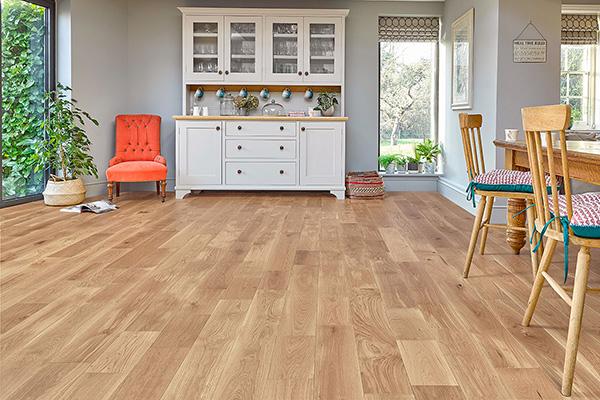
Wooden flooring has long been regarded as one of the most sophisticated and enduring flooring solutions for residential and commercial spaces. Its natural texture, structural strength, and aesthetic versatility make it a preferred choice for architects, interior designers, and property owners. Whether installed in villas, apartments, offices, or retail outlets, wooden flooring delivers a balanced combination of beauty, durability, and long-term value.
What is Wooden Flooring?
Wooden flooring refers to flooring systems manufactured from natural timber or engineered wood products designed to replicate the appearance and performance of solid hardwood. It is available in multiple formats, including solid hardwood planks, engineered wood boards, laminate wood flooring, and parquet blocks. Each type offers distinct technical properties suited to specific environmental conditions and usage requirements.
Types of Wooden Flooring
Solid Hardwood Flooring
Manufactured from a single piece of natural timber, solid hardwood flooring offers exceptional durability and can be sanded and refinished multiple times. Popular wood species include oak, teak, walnut, and maple.
Engineered Wood Flooring
Engineered wood consists of a real hardwood veneer bonded over a plywood or high-density fiberboard (HDF) core. It provides improved dimensional stability, making it suitable for areas with fluctuating temperature and humidity levels.
Laminate Wood Flooring
Laminate flooring features a high-resolution wood image layer protected by a durable wear layer over a compressed fiberboard core. It is cost-effective, scratch-resistant, and easy to maintain.
Parquet Flooring
Parquet flooring uses small wooden pieces arranged in decorative geometric patterns such as herringbone or chevron, enhancing the visual appeal of interior spaces.
Key Advantages of Wooden Flooring
Aesthetic Appeal
Wooden flooring enhances the warmth and elegance of interiors. Its natural grain patterns, color variations, and rich textures create a timeless ambiance that complements both contemporary and classic décor styles.
Durability and Longevity
High-quality wooden flooring systems are designed to withstand heavy foot traffic. Solid hardwood floors can last decades when properly maintained. Engineered wood also offers excellent stability and structural strength.
Easy Maintenance
Wooden floors are relatively easy to clean compared to carpets. Regular sweeping, vacuuming, and occasional damp mopping help maintain their finish. Unlike carpets, wooden flooring does not trap dust, allergens, or pet dander, contributing to better indoor air quality.
Value Addition
Installing wooden flooring can significantly increase property value. It is often considered a premium flooring option that appeals to buyers and tenants due to its durability and luxurious appearance.
Thermal Insulation
Wood acts as a natural insulator, helping maintain comfortable indoor temperatures. It retains warmth during cooler seasons and provides a comfortable surface underfoot.
Applications of Wooden Flooring
Wooden flooring is versatile and suitable for various environments:
Residential Spaces: Living rooms, bedrooms, hallways, and dining areas.
Commercial Offices: Executive cabins, conference rooms, and reception areas.
Retail Stores: Boutiques and showrooms requiring a premium look.
Hospitality Sector: Hotels, resorts, and serviced apartments.
However, in areas exposed to excessive moisture such as bathrooms or outdoor environments, alternative flooring materials may be more appropriate unless specifically designed engineered products are used.
Installation Methods
Wooden flooring can be installed using several professional methods depending on the subfloor condition and product type:
Nail-Down Installation: Common for solid hardwood over wooden subfloors.
Glue-Down Installation: Suitable for engineered wood over concrete surfaces.
Floating Installation: Boards interlock without being fixed directly to the subfloor, commonly used for laminate and engineered wood.
Proper subfloor preparation is critical. It must be level, dry, and structurally sound to prevent future issues such as warping or creaking.
Maintenance and Care Tips
To maximize the lifespan of wooden flooring, consider the following maintenance practices:
Use protective pads under furniture legs to prevent scratches.
Avoid excessive water exposure during cleaning.
Maintain consistent indoor humidity levels to reduce expansion and contraction.
Refinish solid hardwood floors periodically to restore surface appearance.
Use rugs or mats in high-traffic areas to minimize wear.
Regular inspections also help identify early signs of damage, ensuring timely corrective measures.
Cost Considerations
The cost of wooden flooring varies based on wood species, thickness, finish type, and installation complexity. Solid hardwood typically commands a higher price due to its natural composition and refinishing capability. Engineered wood offers a more budget-friendly alternative while retaining authentic wood aesthetics. Laminate flooring is the most economical option and is ideal for cost-sensitive projects.
While initial installation costs may be higher than certain synthetic materials, the long-term durability and minimal maintenance requirements often justify the investment.
Environmental Considerations
Many manufacturers now offer sustainably sourced wooden flooring certified by recognized forestry organizations. Engineered wood products also optimize timber usage by utilizing layered construction techniques. Choosing responsibly sourced materials supports environmental conservation and sustainable building practices.
Why Choose Wooden Flooring?
Wooden flooring represents a strategic combination of structural performance and refined aesthetics. It adapts seamlessly to evolving interior trends and maintains relevance across decades. With proper installation and maintenance, it delivers outstanding durability and consistent performance.
For homeowners seeking warmth and natural charm, or commercial developers aiming to create a premium environment, wooden flooring remains a technically sound and visually compelling solution. Its ability to balance practicality with luxury ensures that it continues to be one of the most preferred flooring systems worldwide.
In summary, wooden flooring is more than just a surface covering—it is a long-term investment in comfort, style, and property value.
