

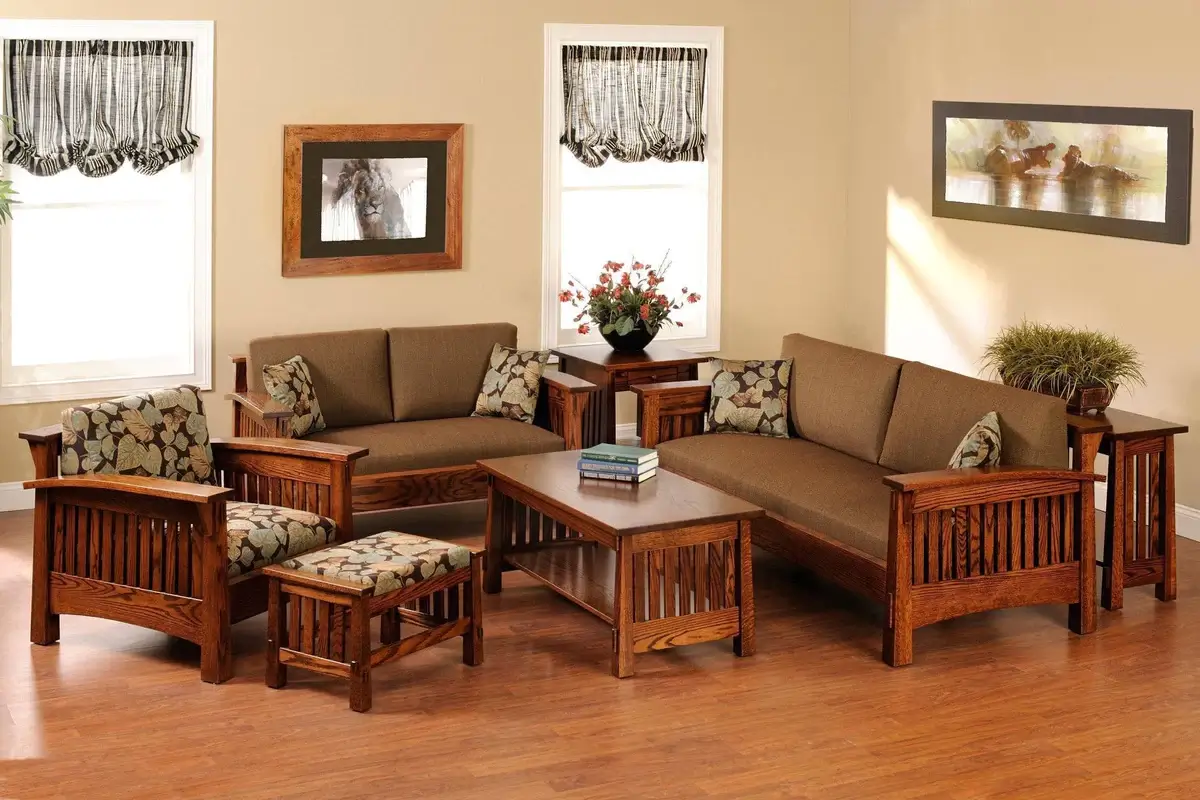
As awareness of environmental issues grows, more homeowners are turning to eco-friendly furniture to create spaces that are both stylish and sustainable. The furniture we choose impacts not only the aesthetic of our homes but also the health of the planet. From materials to production methods, eco-conscious Furniture offers a way to furnish homes responsibly without compromising on design or comfort.
What Makes Furniture Eco-Friendly?
Eco-friendly furniture is crafted with sustainability in mind. This includes the use of renewable, recycled, or reclaimed materials, such as bamboo, reclaimed wood, or recycled metals and plastics. Unlike traditional furniture that often relies on unsustainable logging or synthetic materials, eco-friendly pieces are designed to minimize environmental impact.
Additionally, these furniture items are usually produced with low-toxicity finishes and adhesives. This reduces harmful chemicals like formaldehyde or VOCs, improving indoor air quality. For families concerned about health and sustainability, this is a significant advantage.
Benefits of Choosing Eco-Friendly Furniture
Choosing sustainable furniture offers both environmental and personal benefits:
Reduces Carbon Footprint: Materials like bamboo and reclaimed wood grow quickly or are repurposed, reducing the need for deforestation.
Durability: Eco-friendly furniture is often built to last, using quality materials that withstand wear and tear.
Healthier Living Spaces: Low-VOC finishes mean fewer chemicals in your home, benefiting everyone, especially children and pets.
Supports Ethical Practices: Many sustainable furniture brands prioritize fair labor and environmentally responsible production.
Popular Eco-Friendly Materials
Several materials are making eco-friendly furniture both trendy and accessible:
Bamboo: Fast-growing and renewable, bamboo is durable and lightweight. It works well for chairs, tables, and flooring.
Reclaimed Wood: Repurposing wood from old buildings or furniture reduces waste and adds a unique, rustic charm.
Recycled Metal and Plastic: Used for modern furniture, these materials keep waste out of landfills while offering sleek designs.
Natural Fibers: Cotton, jute, and wool sourced organically are used for upholstery, rugs, and cushions.
By choosing pieces made from these materials, you contribute to reducing environmental impact while creating a distinctive home aesthetic.
How Eco-Friendly Furniture Fits Into Modern Design
Sustainability doesn’t mean sacrificing style. Modern eco-friendly furniture combines functionality with design innovation:
Minimalist Designs: Clean lines and neutral colors often dominate sustainable collections, making them versatile for any décor.
Modular Pieces: Adjustable and modular furniture reduces the need to buy multiple items, saving resources and space.
Statement Pieces: Reclaimed wood tables, bamboo chairs, and recycled metal shelving can act as both functional furniture and conversation starters.
Designers are increasingly blending sustainable practices with modern aesthetics, proving that environmental responsibility can coexist with luxury and style.
Tips for Incorporating Sustainable Furniture in Your Home
Prioritize Quality Over Quantity: Invest in fewer, well-made pieces rather than buying mass-produced furniture that may wear out quickly.
Mix and Match Materials: Pair bamboo chairs with reclaimed wood tables or recycled metal shelves to create layered textures.
Opt for Multifunctional Furniture: Storage ottomans, foldable tables, and sofa beds reduce clutter and resource consumption.
Support Local Artisans: Buying locally reduces carbon footprint from shipping and supports sustainable practices in your community.
Check Certifications: Look for FSC-certified wood, GOTS-certified textiles, and other eco-labels to ensure genuine sustainability.
Future of Eco-Friendly Furniture
As more homeowners embrace green living, sustainable furniture is becoming mainstream. Technology and innovation are also helping: manufacturers are exploring plant-based plastics, biodegradable finishes, and modular designs that last longer.
Moreover, awareness about circular economy principles—reusing, refurbishing, and recycling furniture—is influencing purchasing decisions. Second-hand, upcycled, or custom-made furniture is now celebrated for its originality, durability, and low environmental impact.
Conclusion
Eco-friendly Furniture Dubai is more than a trend; it is a conscious lifestyle choice that transforms homes and benefits the planet. From sustainable materials to ethical manufacturing and innovative designs, these pieces prove that style and sustainability can go hand in hand.
By investing in eco-conscious furniture, you reduce your carbon footprint, create healthier living spaces, and support ethical practices—all while enjoying beautiful, functional home décor. Every chair, table, or sofa you choose thoughtfully becomes part of a larger movement toward responsible living, showing that modern homes can be both chic and sustainable.
