
Quick Answer
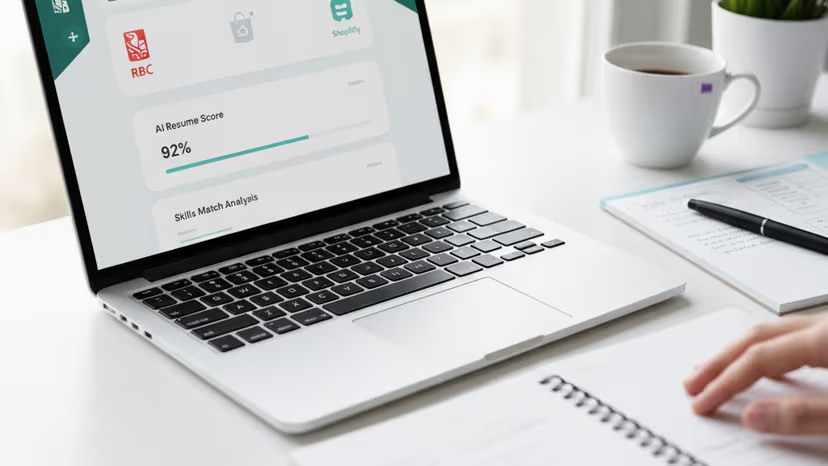
An AI resume builder is software that uses generative AI to help job seekers write, format, and optimize resumes in minutes. These tools analyze job descriptions, suggest keywords for Applicant Tracking Systems (ATS), and generate tailored bullet points based on your experience. The best options combine AI writing assistance with clean templates, ATS-compatibility checks, and export options for PDF or Word — cutting resume creation time from hours to under 30 minutes.
Key Facts Table
| Fact | Detail |
|---|---|
| Primary purpose | Automate resume writing, formatting, and keyword optimization |
| Core technology | Large language models (similar to ChatGPT) trained on hiring data |
| ATS compatibility | Most tools scan for Applicant Tracking System requirements |
| Average time saved | Reduces resume creation from 2-3 hours to 15-30 minutes |
| Common add-ons | Cover letter generator, LinkedIn optimization, interview prep |
| Cost range | Free tiers available; premium plans typically $10-$40/month |
| Best for | Job seekers, career changers, students, remote workers |
Introduction
Searching for a job has changed dramatically over the past few years. Recruiters now rely heavily on Applicant Tracking Systems, and job seekers are turning to AI tools to keep pace. According to research from the Society for Human Resource Management (SHRM), a large majority of mid-to-large companies use some form of ATS to filter resumes before a human ever sees them. This shift has made AI resume builders one of the most practical tools in a modern job search — not a gimmick, but a response to how hiring actually works today.
This guide breaks down how AI resume builders work, how to choose one, and how they compare to other AI-powered tools you might already be using for content, design, or web presence.
What Is an AI Resume Builder and How Does It Work?
An AI resume builder uses natural language processing to turn your work history into polished, keyword-rich resume content. Most tools follow a similar workflow:
- Input your details — job title, employer, dates, responsibilities.
- Paste a target job description — the AI scans it for relevant keywords and skills.
- Generate tailored bullet points — the AI rewrites your experience to match the role.
- Run an ATS check — the tool flags formatting issues (tables, graphics, unusual fonts) that ATS software may misread.
- Export — download as PDF, Word, or plain text.
This process mirrors how professionals use ChatGPT for SEO content — feeding it context and constraints so the output matches a specific goal, whether that’s ranking for search intent or passing an ATS filter. The underlying principle is the same: generative AI performs best when guided with clear, specific input.
Why ATS Optimization Matters
Applicant Tracking Systems parse resumes for keywords, job titles, and skills that match the posting. A resume that’s visually appealing but poorly formatted (heavy graphics, columns, headers in text boxes) can be misread or rejected outright. AI resume builders address this by defaulting to ATS-safe templates while still allowing visual customization for the human reader once you pass the initial screen.
Comparison Table: Top AI Resume Builder Approaches
| Feature | AI Resume Builders | Traditional Resume Templates | Freelance Resume Writers |
|---|---|---|---|
| Speed | Minutes | Hours | Days |
| Cost | Free–$40/month | Free–$20 (one-time) | $100–$500+ |
| ATS optimization | Built-in | Manual | Depends on writer |
| Personalization | AI-tailored per job | Static | Highly personalized |
| Iteration | Instant edits | Manual edits | Requires revisions |
| Best for | Volume applications, quick turnaround | DIY users comfortable with design | High-stakes executive resumes |
Building Your Full Job-Search Toolkit
A resume rarely works alone anymore. Many job seekers — especially freelancers, designers, and career changers — pair their AI resume builder with other AI tools to strengthen their overall online presence:
- Best AI Website Builder tools let candidates create a simple portfolio site to showcase work samples, which is increasingly expected for creative, marketing, and tech roles.
- Best Free AI Image Generator tools help create clean headshots for LinkedIn or custom graphics for a portfolio when a professional photographer isn’t in the budget.
- ChatGPT for SEO skills transfer directly to writing resume content that’s discoverable and keyword-relevant, since both disciplines depend on matching language to what a system (search engine or ATS) is scanning for.
Together, these tools form a lightweight, low-cost personal branding stack — something that used to require a designer, a copywriter, and a web developer.
Step-by-Step: Creating a Resume With an AI Builder
- Choose a tool with ATS-checking built in.
- Upload your existing resume or start from a template.
- Paste the job description you’re targeting.
- Let the AI suggest bullet points, then edit for accuracy — never submit unverified AI claims about your experience.
- Run the ATS scan and fix flagged formatting.
- Read the final draft aloud to catch awkward AI phrasing.
- Export and tailor slightly for each application.
Actionable tip: Always fact-check AI-generated bullet points against your actual accomplishments. Recruiters and hiring managers can quickly spot exaggerated or generic language, and misrepresenting experience can hurt trust during interviews.
Common Mistakes to Avoid
- Relying on AI output without editing for your authentic voice.
- Using the same resume for every application instead of tailoring keywords.
- Ignoring ATS formatting warnings in favor of a “prettier” design.
- Overloading the resume with jargon suggested by AI that doesn’t reflect real skills.
FAQ Section
1. What is an AI resume builder? It’s a software tool that uses AI to help write, format, and optimize resumes based on your work history and target job descriptions.
2. Are AI resume builders free? Many offer free basic plans with limited templates or exports; advanced features like unlimited ATS scans or cover letter generation are usually part of paid tiers.
3. Do recruiters know if a resume was AI-generated? Not typically from formatting alone, but generic or exaggerated language can raise red flags during interviews if it doesn’t match the candidate’s actual experience.
4. Can AI resume builders guarantee I’ll get hired? No. They improve clarity, formatting, and ATS compatibility, but hiring decisions depend on qualifications, interview performance, and fit — no tool can guarantee a job offer.
5. Is it safe to upload personal data to these tools? Reputable tools publish privacy policies outlining data use; it’s worth reviewing these before uploading sensitive personal or employment information.
6. How is an AI resume builder different from ChatGPT? General AI chat tools like ChatGPT can help draft resume text, but dedicated resume builders add ATS scanning, formatting templates, and structured workflows built specifically for job applications.
7. Should I still customize my resume manually? Yes. AI drafts a strong starting point, but manual review ensures accuracy, authentic voice, and alignment with the specific role.
8. What file format should I use when submitting a resume? PDF is generally safest for preserving formatting, though some ATS systems prefer Word (.docx) — check the job posting instructions when specified.
9. Can I use an AI resume builder for career changes? Yes, many tools are particularly useful here since they help translate transferable skills into language relevant to a new industry.
10. Do AI resume builders work for executive-level resumes? They can help with structure and keywords, but high-stakes executive resumes often still benefit from human review or a professional resume writer for nuance and strategic positioning.
Key Takeaways
- AI resume builders speed up resume creation while improving ATS compatibility.
- They work best as a starting draft — human review and fact-checking remain essential.
- Pairing a resume builder with an AI website builder and AI image generator creates a stronger overall job-search presence.
- No tool guarantees a job offer; outcomes still depend on qualifications and interview performance.
Conclusion
AI resume builders have become a practical, time-saving part of the modern job search rather than a passing trend. Used thoughtfully — as a drafting assistant, not a replacement for honest self-representation — they help job seekers move faster through applications while staying ATS-compliant. For the strongest results, combine a good AI resume builder with a simple portfolio site and clean visuals, edit every AI suggestion for accuracy, and tailor each resume to the specific role you’re applying for.
